The square wasn’t the problem.
The process that produced it was.
- Role
- Research design
- Physical prototyping
- Fieldwork
- Synthesis
- With
- Camilla Uhlén
- Context
- Embedded Designers
- HDK-Valand
- University of Gothenburg
- Place
- Grönsakstorget, Gothenburg
The situation
Since 2011 the City of Gothenburg had been converting Grönsakstorget from a car park into a public square. When it opened, the local press described the result as empty and unused.
The easy read is that the design was bad. We didn’t think that was it. A square nobody uses is usually a square that was decided somewhere far away from the people who walk through it — and when we traced the process backwards, that’s what we found. Insight was being gathered. Decisions were being made. The two were only loosely connected: the gap sat between the research and the room where the choice got made.
The question we actually asked
Not what should Grönsakstorget look like — plenty of people were already answering that. Instead: what material and organisational infrastructure would let the square reflect what the public actually needs?
We weren’t designing a square. We were prototyping the process that designs one.
Two ways of asking
Asked by form, the answer travels and the reasoning doesn’t.
Asked over the model, reasons stay attached to the place they’re about.
Why prototype a process rather than propose a design
Producing another square design would have added one more opinion to a pile of opinions, and it would have inherited the exact flaw we’d identified — a proposal made away from the people it’s for.
A process, unlike a proposal, can be tested. We could put it in a public space and watch whether strangers engaged with it, whether they built on each other, whether anything usable came out. If the participatory model didn’t work we’d know within an afternoon, rather than after a construction budget. The tradeoff is that you end up with no artefact for the square itself. We accepted that — the city already had drawings.
What we built
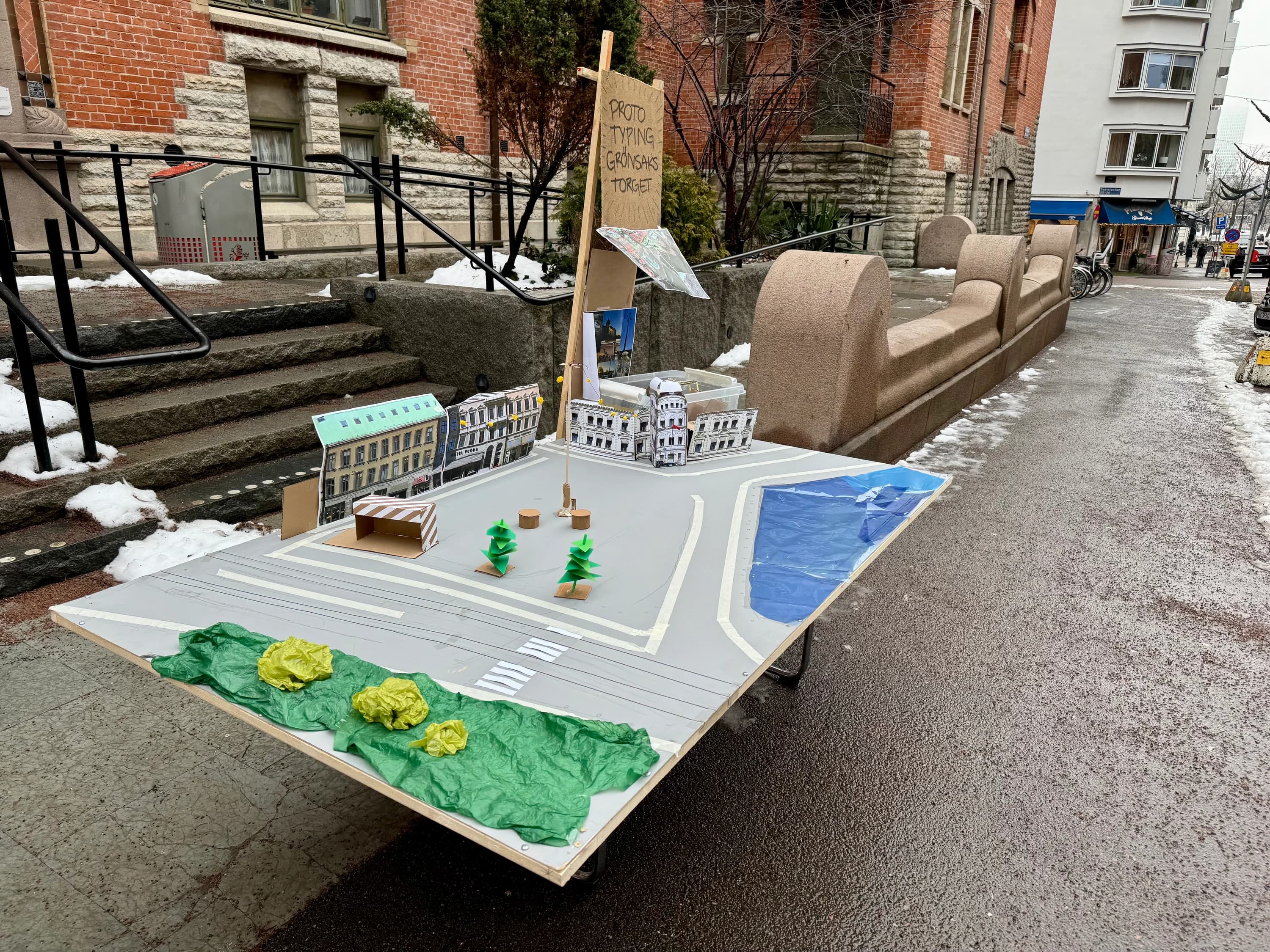
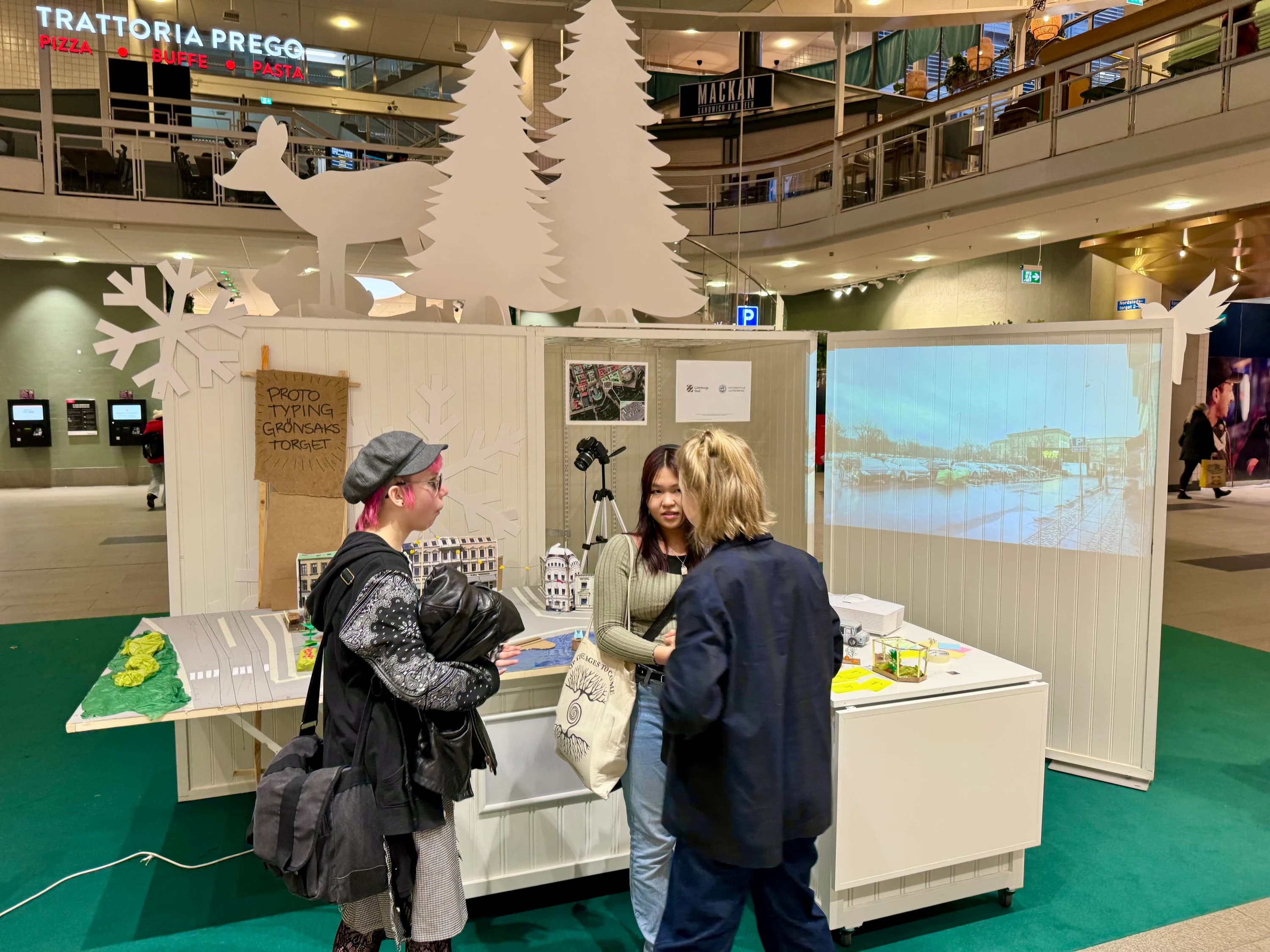
A physical model of the square, built from cardboard and tissue paper, designed to be worked on by anyone walking past. We placed it at HDK-Valand and in Nordstan and let it do the work — filming the interactions and conversations, and passing them to the city administration as insight material.
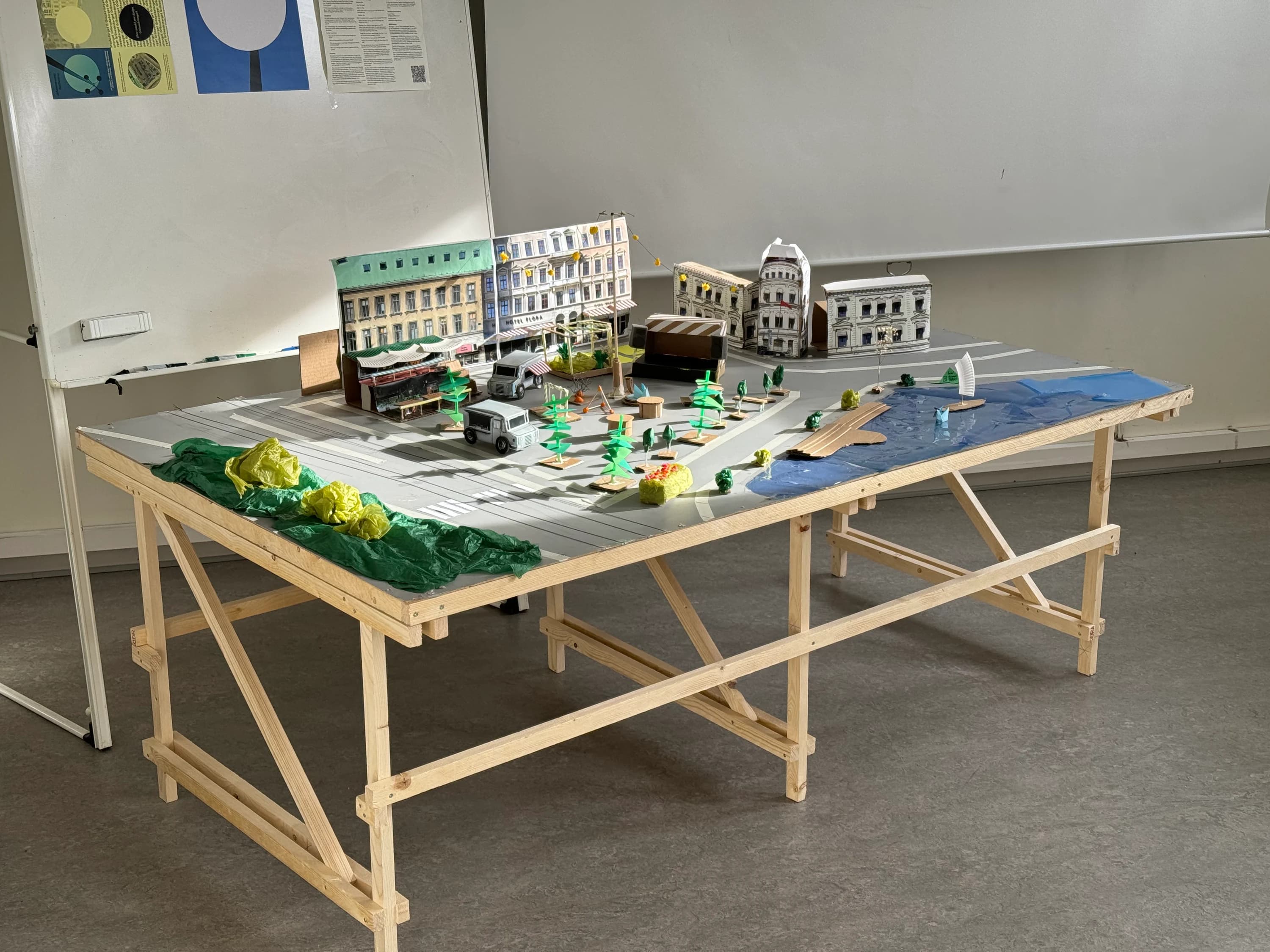
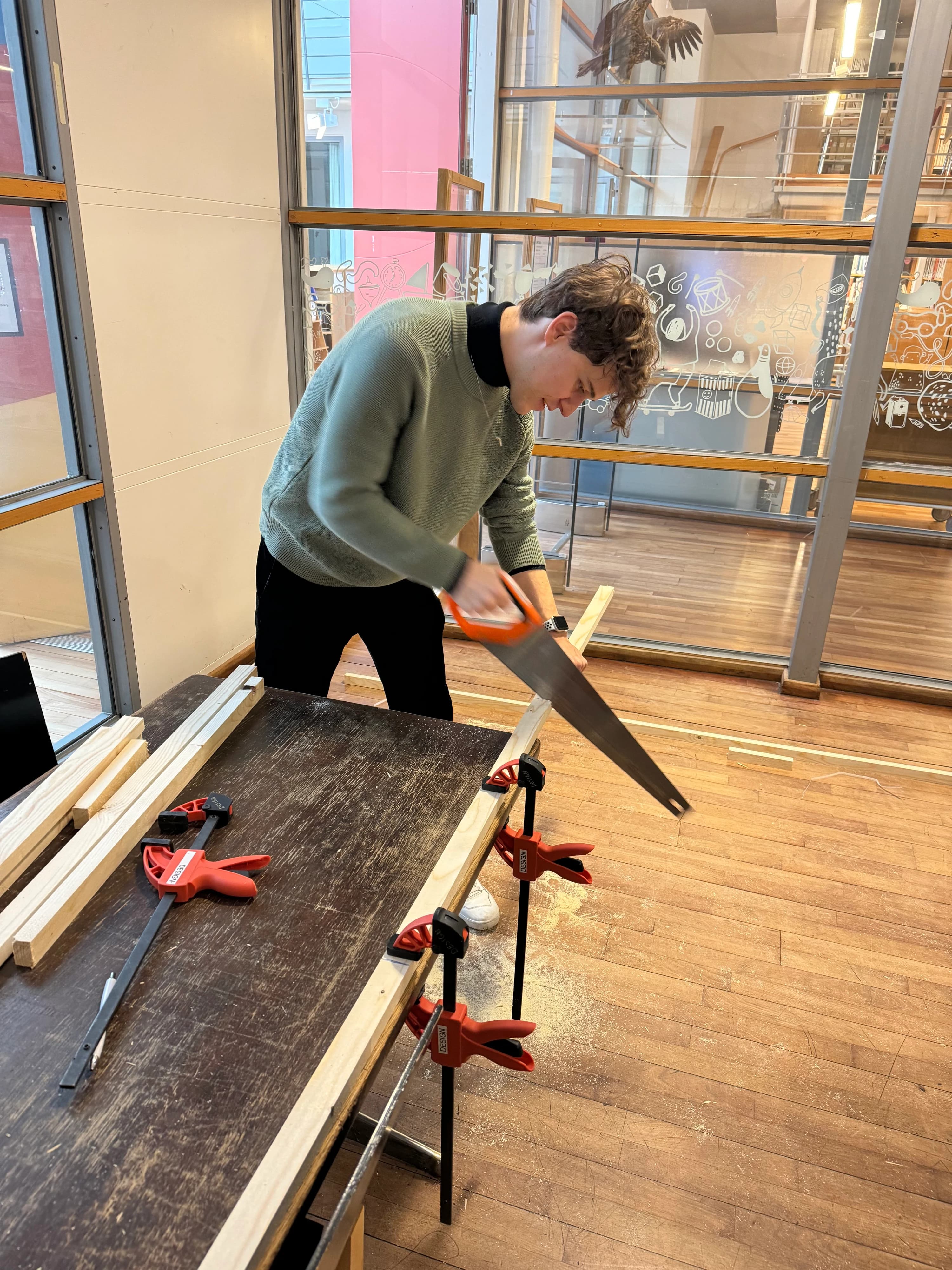
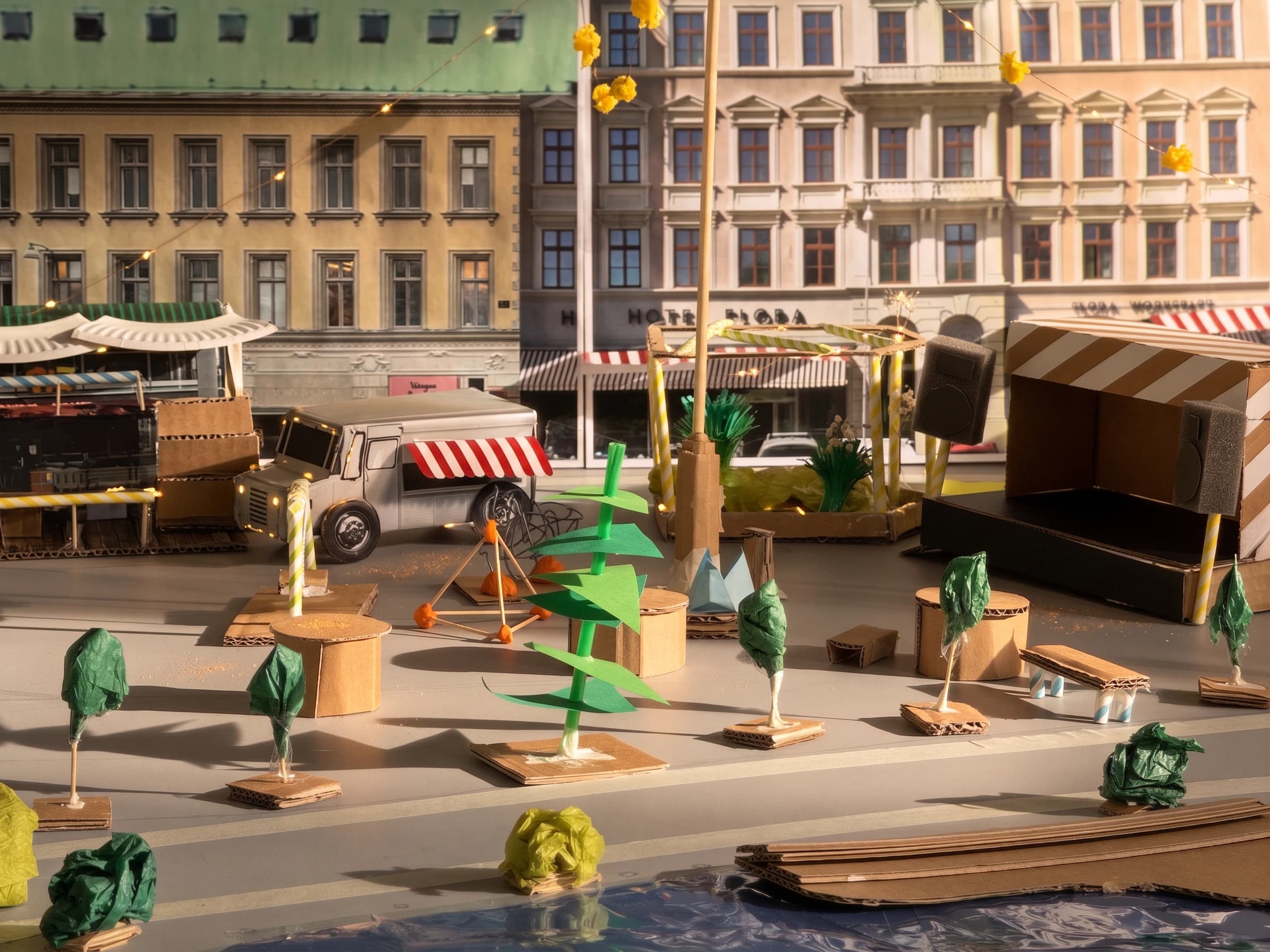
Four constraints drove every decision about it
Large enough to notice
It had to interrupt someone crossing a public space, not wait politely on a table for them to opt in.
Simple enough to touch
No instructions and no facilitator required to start. If it needed explaining, it had already failed.
Portable
It travelled to where people already were, rather than asking them to come to where the research was.
Playful
The invitation had to read as an offer rather than a survey. Cardboard and tissue paper, not a clipboard.
What we found
The thing we didn’t expect: the process generated as much value as any output it produced. Strangers with no reason to talk to each other gathered around a shared matter of concern and started building on each other’s ideas. People stayed longer than they meant to.
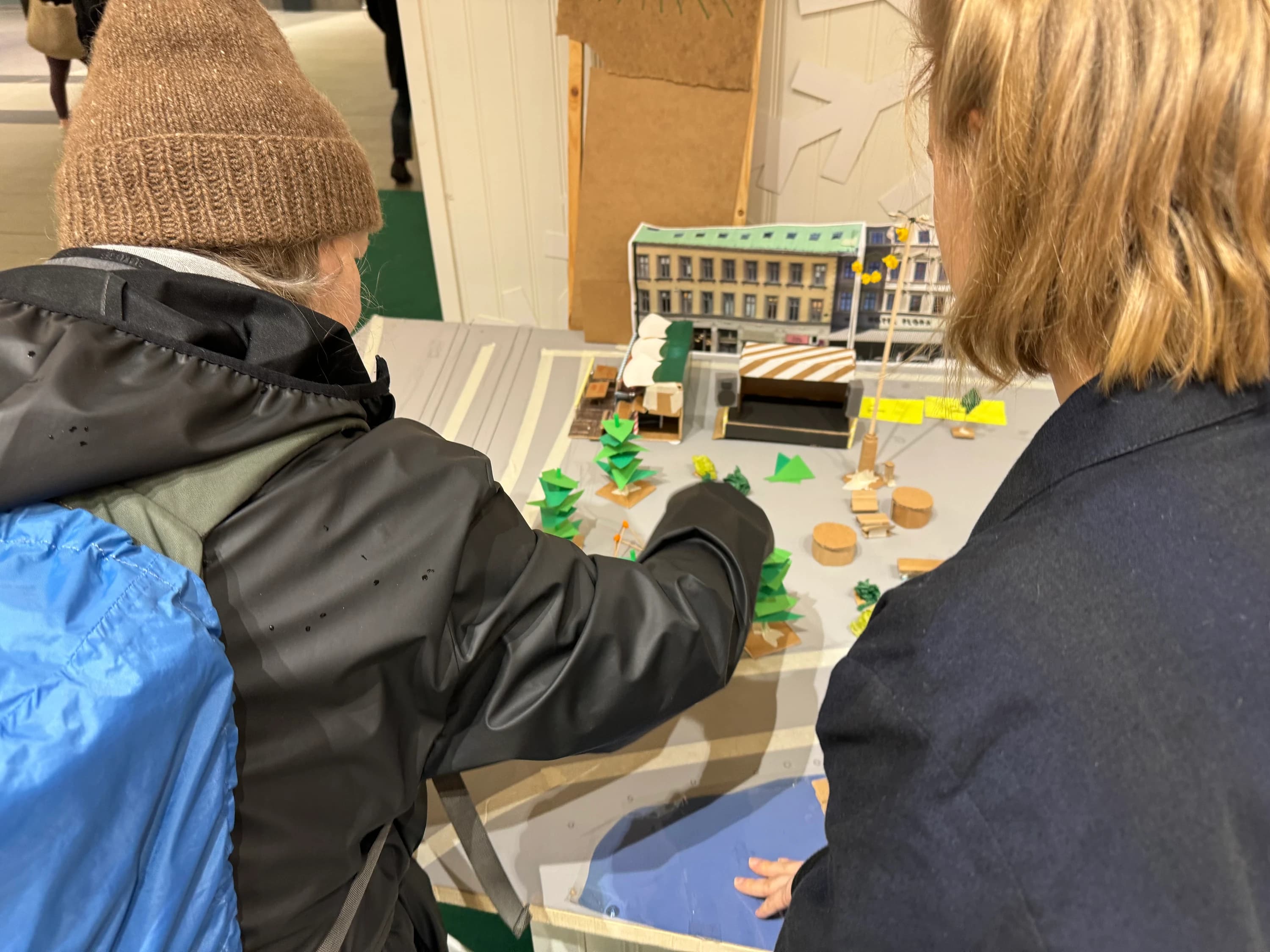
“Nobody has asked me this before.”
That isn’t a soft finding. It reframes what participation is for. We’d assumed the model was an instrument for extracting insight and passing it upward. Watching it work, it was equally a place where people experienced having a stake in a decision — deliberative democracy at the scale of a table.
The proposal
A three-part collaboration model for public space decisions. None of the three can do it alone, which is the point: the administration has power without proximity, the public has proximity without power, and the designer has neither — and can build the thing that puts them in the same room.
What I took from it
This is the project where I stopped thinking of research as a phase that happens before design starts. The model was a research instrument and a designed object at the same time — how big, how portable, how playful were research decisions, and getting them wrong would have produced no data at all. It’s the same instinct I use now when I put a rough internal tool in front of a sales team on a Tuesday: the artefact is how you find out.